Rural women are the backbone of village economies, yet they often remain excluded from stable income opportunities, education, and decision making. Limited access to resources, skills, and financial support restricts their ability to achieve independence. Empowering rural women through sustainable livelihoods is not just a social responsibility, it is a practical solution to long term poverty reduction and community development. When women are given the right tools and opportunities, entire families and villages move toward progress.
Understanding Sustainable Livelihoods
Sustainable livelihoods focus on income generating activities that can be maintained over time without harming the environment or exhausting local resources. For rural women, this approach ensures steady earnings while respecting traditional knowledge and local ecosystems. Activities such as dairy farming, vegetable cultivation, mushroom farming, tailoring, and handicrafts provide flexible work options that align with rural lifestyles. These livelihoods are designed to grow gradually, offering stability instead of short term relief.
Livelihood Support Through Dairy Farming
Dairy farming plays a crucial role in empowering rural women. By providing Gir cows through institutional support and partnerships such as NABARD, women gain a reliable source of daily income. Milk procurement systems ensure that the produce is purchased regularly, removing the uncertainty of market access. This model allows women to earn with dignity while staying close to their homes and families. Over time, dairy based livelihoods improve nutrition, savings, and financial confidence among women.
Agriculture Based Income Opportunities
Small scale agriculture initiatives such as vegetable farming and mushroom cultivation offer powerful income opportunities for rural women. With access to limited land and basic training, women can grow crops that are in constant demand. Mushroom farming in particular requires minimal space and investment, making it ideal for rural households. These activities not only generate income but also promote food security and healthier diets within communities.
Skill Development and Capacity Building
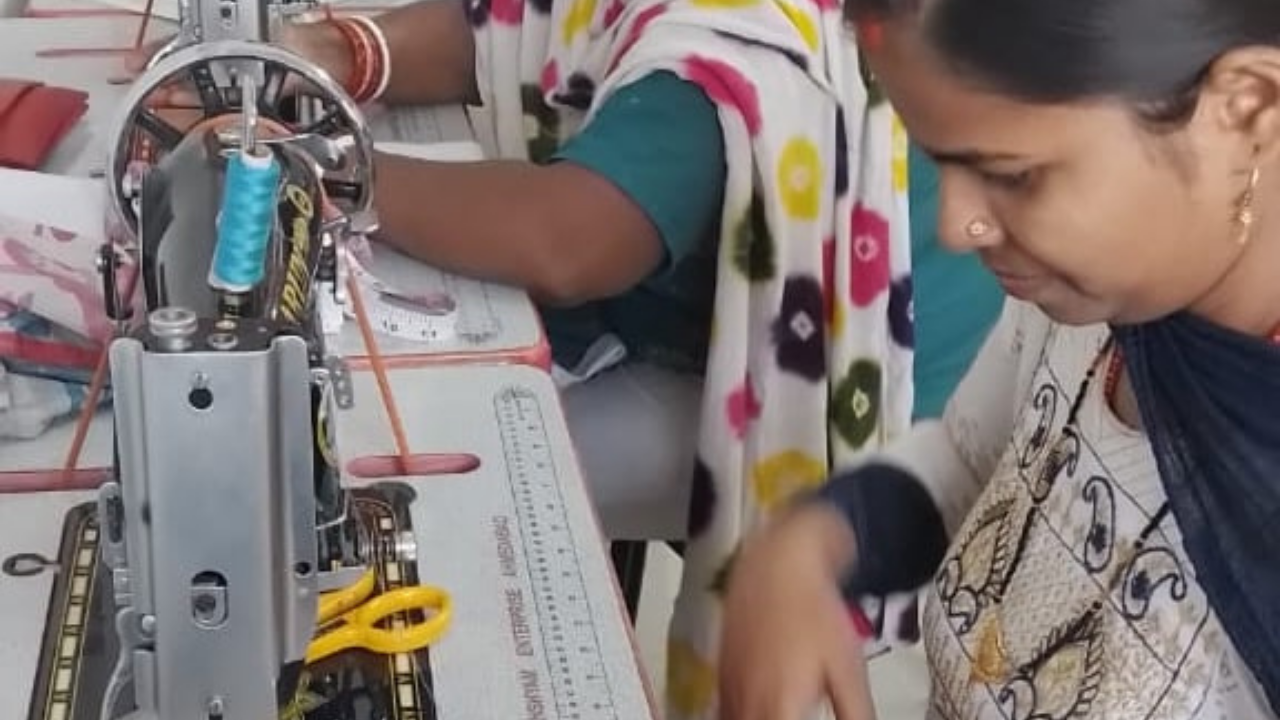
Skill development is essential for sustaining livelihoods. Training programs in tailoring, stitching, handicrafts, and agriculture related practices help women enhance their abilities and productivity. These skills enable women to start micro enterprises or contribute meaningfully to local markets. Continuous learning builds confidence and encourages innovation. When women understand business basics, pricing, and quality standards, their earning potential increases significantly.
Education and Awareness as Enablers
Empowerment goes beyond income generation. Awareness about health, financial planning, and rights strengthens the overall impact of livelihood programs. Educated women make informed decisions about savings, children education, and community participation. Linking livelihood initiatives with education and healthcare access ensures holistic development. When women are aware of available resources and government schemes, they are better equipped to secure their future.
Community Impact and Social Change
Empowering rural women creates a ripple effect across communities. Increased household income leads to better education for children, improved healthcare access, and reduced migration to urban areas. Women who earn independently gain respect within their families and participate actively in community decisions. This shift challenges traditional inequalities and promotes inclusive growth. Sustainable livelihoods help build resilient rural economies that can withstand economic and environmental challenges.
Role of Organizations and Partnerships
Organizations like Tintern Charitable Trust play a vital role in implementing sustainable livelihood programs. By collaborating with institutions such as NABARD and local stakeholders, they ensure transparency, accountability, and long term impact. Structured support, regular monitoring, and community engagement are key to success. Partnerships enable scaling of initiatives while maintaining quality and sustainability.
Closing Thoughts
Empowering rural women through sustainable livelihoods is a transformative journey that strengthens individuals, families, and communities. When women gain access to resources, skills, and opportunities, they become agents of change. Sustainable livelihoods offer dignity, stability, and hope for a better future. Investing in rural women is not just an act of empowerment, it is a foundation for lasting social and economic development.