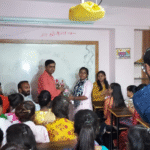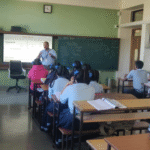
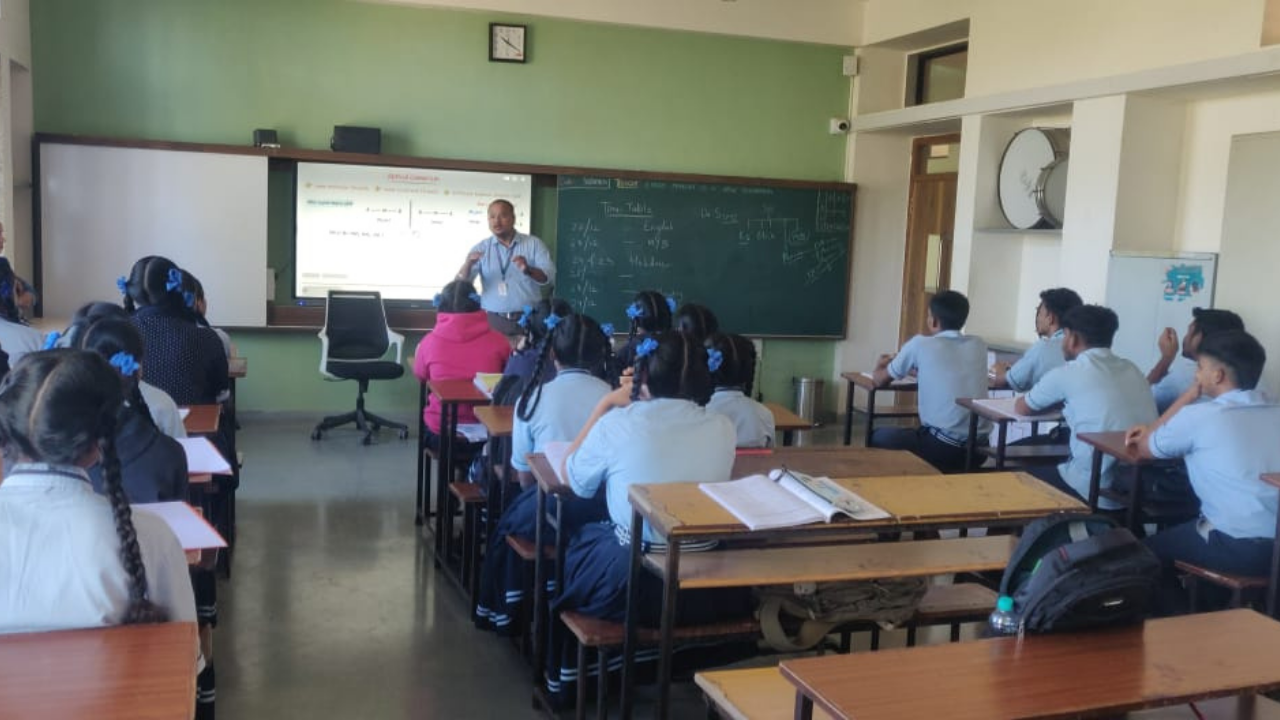
Education has always been one of the strongest forces for social and economic transformation. For individuals from underserved and rural backgrounds, access to quality education can determine the course of an entire lifetime. When education is inclusive and accessible, it equips people with knowledge, confidence, and the ability to shape their own futures. Viewing education as a pathway to empowered and self reliant futures highlights its role not only in academic growth but also in building independence, dignity, and opportunity.
Education and Empowerment
Empowerment begins when individuals understand their potential and gain the ability to make informed decisions. Education provides this foundation by developing critical thinking, awareness, and self belief. Students who receive proper education are better prepared to participate in society, advocate for themselves, and contribute to community development. Empowerment through education allows individuals to break free from cycles of dependency and poverty, especially in communities where opportunities are limited.
Removing Barriers to Higher Education
Many capable students are unable to pursue higher education due to financial constraints, lack of guidance, or limited institutional access. These barriers prevent young people from realizing their abilities and entering professional careers. Providing free or supported education in fields such as nursing and pharmacy addresses this gap directly. When financial pressure is removed, students can focus on learning, skill development, and personal growth. Access to higher education becomes a tool for equality rather than privilege.
Professional Education and Career Stability
Professional courses in healthcare and technical fields offer more than academic degrees. They provide career stability, employability, and long term income security. Education in nursing and pharmacy prepares students to serve society while building respected careers. These professions also meet critical social needs by strengthening healthcare systems. When students from disadvantaged backgrounds enter such fields, they not only uplift their own families but also contribute meaningfully to national development.
Education as a Foundation for Self Reliance
Self reliance grows when individuals can support themselves without constant external assistance. Education strengthens this independence by opening doors to employment, entrepreneurship, and leadership. An educated individual is better equipped to adapt to changing economic conditions and acquire new skills as required. Education also builds financial awareness, problem solving abilities, and resilience. These qualities are essential for long term self reliance in a rapidly evolving world.
Impact on Families and Communities
The benefits of education extend far beyond the individual. Educated youth often become role models within their families and communities. Increased income and awareness lead to better health practices, improved living conditions, and greater emphasis on children education. Communities with higher education levels experience lower unemployment and stronger social cohesion. Education becomes a collective investment that multiplies its impact across generations.
Role of Organizations in Educational Access
Non profit organizations and charitable trusts play a critical role in expanding educational access. Institutions like Tintern Charitable Trust focus on identifying deserving students and supporting them through free degree programs and guidance. By partnering with educational institutions and training centers, these organizations ensure quality learning and structured career pathways. Their involvement bridges the gap between aspiration and opportunity.
Linking Education with Skill Development
Education becomes more effective when combined with practical skill development. Training sessions, internships, and hands on learning enhance employability and confidence. Students who receive both academic knowledge and applied skills are better prepared for the workforce. This integrated approach ensures that education leads to meaningful employment rather than theoretical qualifications alone.
Education as a Tool for Social Progress
An educated population is essential for social progress and economic growth. Education promotes equality, reduces social disparities, and encourages informed civic participation. When education reaches underserved communities, it challenges long standing inequalities and fosters inclusive development. Empowered and self reliant individuals contribute to a stronger and more balanced society.
Closing Reflections
Education is not merely a stepping stone to employment, it is a lifelong asset that shapes character, confidence, and capability. By making education accessible and relevant, society can unlock the potential of countless individuals. Education as a pathway to empowered and self reliant futures ensures dignity, opportunity, and sustainable progress for generations to come.